
Chaos to Clarity: Immediate Steps After a Truck Accident
Posted on 15th January, 2026
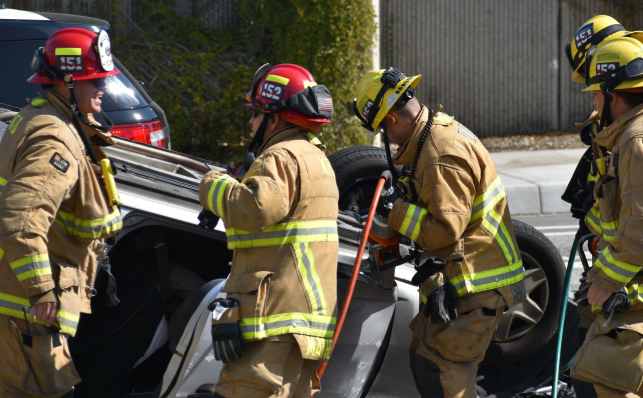
The screech of brakes, the terrifying impact, and the sudden silence that follows a collision with a massive commercial truck divides your life into "before" and "after." Unlike a standard fender bender between passenger cars, an accident involving an 18-wheeler brings a level of destruction and trauma that is difficult to process. You are likely feeling overwhelmed, in pain, and unsure of what just happened.
While the minutes and hours following a crash are blurred by adrenaline and fear, they are also the most critical for your future well-being. Knowing exactly what to do can protect your health and preserve your legal rights before the dust even settles. This guide outlines the essential, immediate actions you need to take to regain control of the situation.
Prioritize Safety Above Everything Else
Your physical safety is paramount. Before you worry about insurance information, vehicle damage, or who is at fault, you must assess the immediate danger. Commercial trucks carry massive momentum, and secondary collisions are a significant risk on busy highways.
If your vehicle is movable and it is safe to do so, guide it to the shoulder or to a safe area away from traffic. Turn on your hazard lights immediately. If you cannot move the vehicle, or if you suspect you have a spinal injury, do not attempt to move. Instead, remain calm, control your breathing, and stay where you are until emergency responders arrive.
Often, large accidents draw the attention of onlookers who call 911. However, to ensure you get the help you need, call 911 immediately. Even if the accident seems minor, you need police presence to create an official report. When speaking to the dispatcher, be calm and concise about your location and any visible injuries.
Preserving Evidence at the Scene
Once safety is established and you are waiting for first responders, you have a brief window to act as your own investigator. Evidence at a truck accident scene is perishable it can be cleaned up, rained on, or driven away. If you are physically able, use your smartphone to document everything.
Photograph the Entire Scene
Do not limit photos to close-ups of vehicle damage. Step back and capture the full environment, including:
- Vehicle positioning: How the truck and your vehicle came to rest
- Road conditions: Skid marks, debris, and shattered glass
- The truck: License plate, DOT number (typically on the cab door), and company logos
- Environmental factors: Traffic signs, stoplights, weather, and road surface conditions
Locate and Speak to Witnesses
Independent witnesses are invaluable because they have no stake in the outcome. However, they often leave once police arrive. If anyone stopped to help, ask for their name and phone number immediately. A short voice recording can be a fast way to capture their statement if writing is difficult.
Watch What You Say
Protect your words. When speaking to the truck driver or police, stick strictly to the facts. Do not speculate or guess what happened. Avoid phrases such as "I'm sorry," "I didn't see you," or "I'm fine." These seemingly polite statements can later be twisted by insurance companies to suggest fault or minimize your injuries.
Seeking Immediate Medical Attention
After the police clear the scene, your next stop should be a hospital or urgent care center not home. This applies even if you feel okay.
The Adrenaline Trap
High-impact truck accidents trigger a powerful fight-or-flight response. This surge of adrenaline can mask serious pain for hours or even days. Injuries such as internal bleeding, concussions, or hairline fractures may not show immediate symptoms. A medical evaluation is essential to rule out these hidden dangers.
Establishing the Medical Link
From a legal standpoint, delaying medical care creates a gap in your timeline. If you wait days or weeks to see a doctor, the trucking company's insurance team may argue your injuries were caused by something else. Immediate medical treatment creates a time-stamped record directly linking your injuries to the accident.
Documenting Your Recovery
Your medical journey does not end when you leave the emergency room. Ongoing documentation is a critical foundation for any future insurance or injury claim.
Follow Doctor's Orders Strictly
Fill prescribed medications, attend every physical therapy session, and follow all medical advice. Insurance companies look for "gaps in treatment" to reduce or deny claims. Skipped appointments are often used as evidence that injuries are not serious.
Keep a Pain Journal
Medical records often focus on clinical findings and may omit how injuries affect your daily life. Keeping a daily journal of pain levels, sleep disruption, and activities you can no longer perform can be powerful evidence. Notes like "I couldn't pick up my daughter today because my back seized up" clearly demonstrate the real-world impact of your injuries.
The aftermath of a truck accident can become overwhelming very quickly. By prioritizing safety, preserving evidence, and following medical advice closely, you place yourself in the strongest possible position to protect both your health and your rights.